Synthetic Leather and Coagulation Coating

SKU: CEMAY-KUMAS-HAT-SENTETIK-DERI
Request a Quote
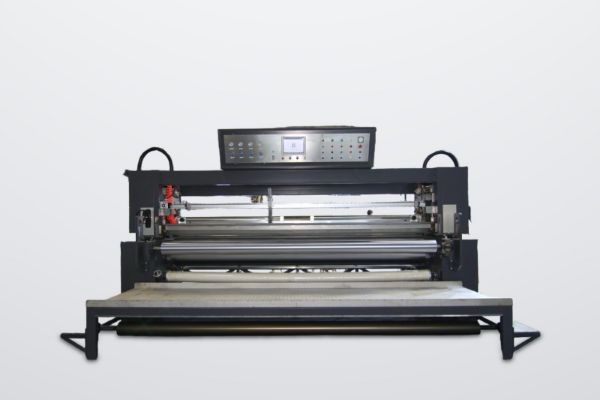
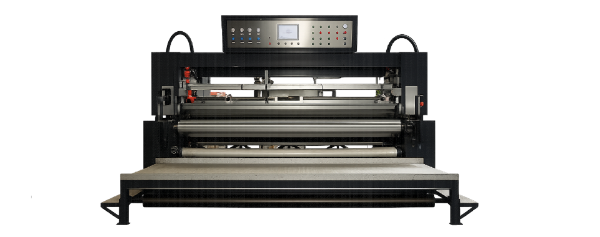
Line producing synthetic leather on a base fabric by three-head transfer coating on release paper with lamination, or by coagulation (wet process), with units designed to your product.

Synthetic (artificial) leather is a coated surface made by applying PVC- or PU (polyurethane)-based layers to a base fabric, giving the look and handle of real leather. The base can be a cotton, polyester or viscose woven, knit or nonwoven. Synthetic leather is found across a wide field, from shoes, bags, luggage and fashion to automotive interiors and furniture: PU-based leather stands out in shoes and handbags, PVC-based leather in furniture upholstery. Quality is set by an even layer thickness, rubbing resistance at the edges and a surface that does not look like an imitation.

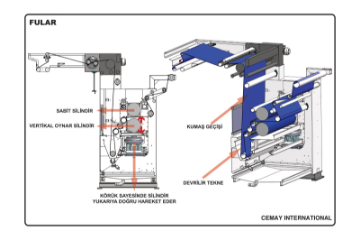
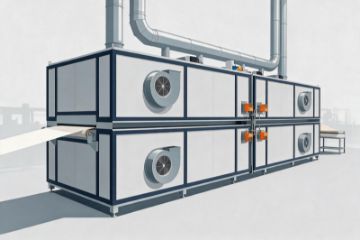
Synthetic leather is made in two ways. In the transfer (release paper) method the layers are first spread on a plain or patterned release paper and dried, the base fabric is joined to them with an adhesive coat, and the paper is separated at the end; the method gives a soft, flawless film, especially on knitted, elastic and delicate fabrics. In the coagulation (wet process) method, PU in a solvent is applied to the base fabric and coagulated in a water bath, forming a microporous structure close to real leather. The CEMAY synthetic leather and coagulation coating line brings the units of these routes together for your product; the units of the transfer line are numbered on the example layout drawing below.

Release paper and product path Built by CEMAY
Synthetic leather transfer coating line — the release paper and product path over an example layout drawing Side view of an example three-head transfer coating line, in two rows. The release paper travels left to right: after the unwinder and the entry accumulator it takes the first coat on the first COALIS coating head and dries in the first oven, passes the cooling cylinders, takes the second coat on the second head and dries in the second oven. In the second row, after the lamination and cooling group, the third head and the lamination unit where the base fabric joins, it cures in the third oven; it is cooled, passes the exit accumulator, and the product is separated from the paper on the separation gantry. Paper and product are wound on separate winders. The path is shown as a red line. 1 2 3 4 5 6 7 8 9 10 11 12 13 14 16 17 15 18 19

↔ Scroll sideways to see the whole line

  1. 1Splice Table
  2. 2Release Paper Unwinder
  3. 3Entry Accumulator
  4. 4Coating Head 1 (COALIS Coating Machine)
  5. 5Oven 1
  6. 6Cooling Cylinders
  7. 7Coating Head 2 (COALIS Coating Machine)
  8. 8Oven 2
  9. 9Turret-Fed Lamination and Cooling Group
  10. 10Coating Head 3 (COALIS Coating Machine)
  11. 11Lamination Unit (Turret Base-Fabric Unwinder)
  12. 12Oven 3
  13. 13Cooling Cylinders
  14. 14Exit Accumulator
  15. 15Separation and Pull Gantry
  16. 16Release Paper Winder 1
  17. 17Release Paper Winder 2
  18. 18Product Winder 1
  19. 19Product Winder 2

How is artificial leather made with the transfer method?

Artificial leather is a coated surface produced by spreading a polymer coating onto a carrier, bonding it to a textile surface with heat and pressure, and then separating the carrier. This transfer method turns raw textile into a durable and aesthetic product in three stages.

CEMAY infographic showing artificial leather production by the transfer method: raw materials and preparation, functional additives, coating application and drying, heating and lamination, separation and the factors that settle the choice of coating.
Textile Coating: Artificial Leather Production Technology · Click the image to enlarge
  1. Coating application and drying The polymer coating is spread onto the carrier fabric by a coating roller with a doctor blade.
  2. Heating, lamination and bonding The textile surface is joined to that layer under heat and pressure.
  3. Separation and finishing The carrier is stripped away, leaving the finished artificial leather surface.

The base textile can be fabric, polyester or viscose; the coating is PVC or PU polymers, formulated with liquid, pigment, plasticizer, filler and granules. It brings water resistance, flame retardancy and abrasion resistance, and the choice follows textile structure, chemical composition and end use (automotive, military gear, footwear).

In depth: Artificial Leather Production Technology: The Three Stages of the Transfer Method

*
*
*